 English
 Español
Zhongsheng
Zhongsheng
Zhongsheng
Zhongsheng
Zhongsheng
Zhongsheng
Zhongsheng
Zhongsheng
Zhongsheng
Zhongsheng
Zhongsheng
Zhongsheng
Zhongsheng
Zhongsheng
Zhongsheng
Modern interior architecture increasingly treats doors as visual surfaces rather than simple functional barriers. This shift has encouraged the adoption of lightweight surface materials that can transform plain panels into expressive design elements. Among these options, decorative film for doors has become a practical solution for achieving wood textures, matte finishes, or artistic patterns without replacing the original structure.
Recent interior design trends show a strong movement toward fast renovation materials that reduce construction time while maintaining visual quality. Decorative films meet this demand by offering customizable aesthetics, easy application, and compatibility with a wide range of door substrates such as MDF, PVC, and composite wood panels.
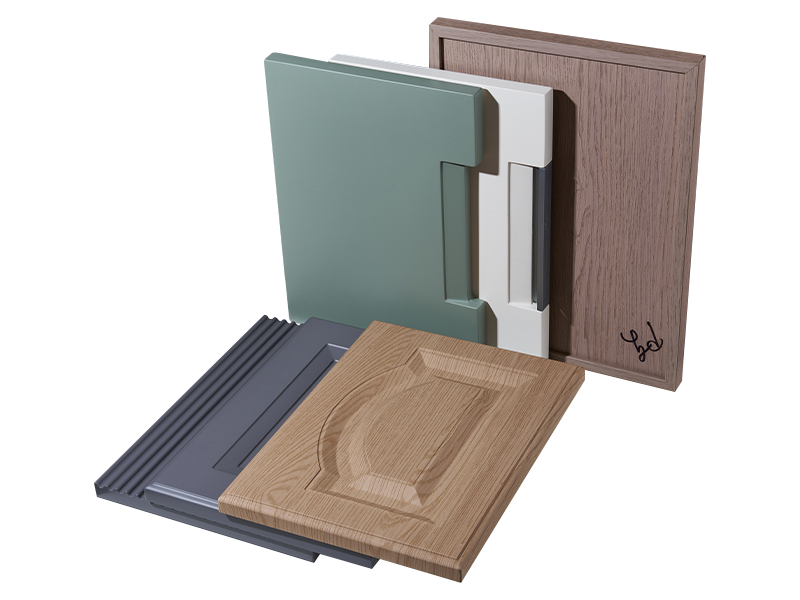
Surface transformation without structural replacement
One of the main advantages of door film technology is its ability to completely change surface appearance while keeping the original door intact. Instead of replacing solid panels or applying heavy laminates, thin polymer films are laminated directly onto the surface.
Common visual effects include:
- Natural wood grain imitation such as oak, walnut, or ash
- Solid matte colors for minimalist interiors
- Metallic or brushed textures for modern spaces
- Frosted or semi-transparent finishes for glass inserts
This flexibility allows designers to match door surfaces with surrounding furniture and wall finishes, creating a unified interior language. Recent industry developments show that PET and PP-based decorative films are widely used due to their stability and print adaptability in interior applications.
Material structure and performance layers
Decorative door films are typically engineered as multi-layer composites rather than single sheets. Each layer plays a specific role in performance and appearance.
A standard structure may include:
- UV-resistant top coating to reduce fading
- Printed decorative layer carrying wood or pattern design
- Base film layer providing flexibility and tensile strength
- Pressure-sensitive adhesive layer for installation
- Release liner for protection before application
This layered construction improves durability while allowing fine surface detail reproduction. High-resolution digital printing techniques enable realistic imitation of natural materials such as timber and stone textures, which is increasingly demanded in interior renovation projects .
Application efficiency in renovation projects
Speed of installation is one of the key reasons decorative film is widely used in both residential and commercial upgrades. Traditional door replacement often involves demolition, dust, and long downtime. Film application significantly reduces these disruptions.
Typical workflow advantages include:
- Direct application on existing door panels
- Minimal surface preparation required
- Short installation time per unit
- Reduced renovation waste and disposal cost
This makes the material particularly attractive for rental properties, hotel renovations, and office refurbishments where operational downtime must be minimized. Market trends also show increasing demand for quick interior upgrades using surface films instead of full material replacement systems.
Design flexibility across interior styles
Decorative films support a wide spectrum of design directions, allowing doors to visually integrate into different architectural themes.
Common style applications include:
- Scandinavian interiors using light oak and soft neutrals
- Industrial spaces using dark matte or metal-inspired finishes
- Contemporary homes with monochrome or geometric textures
- Luxury interiors with high-gloss or textured wood grains
Rather than acting as isolated decorative elements, doors become part of a continuous visual system across cabinets, partitions, and wall panels. This consistency helps reinforce spatial harmony, especially in open-plan environments.
Functional performance beyond appearance
Although aesthetics is the primary reason for use, decorative door film also provides several functional benefits that extend material lifespan and usability.
Key performance characteristics include:
- Scratch resistance from protective coating layers
- Moisture tolerance suitable for kitchens and bathrooms
- UV stability to reduce fading in sun-exposed areas
- Easy surface cleaning with mild detergents
Some film types also provide additional surface protection for high-traffic environments such as hotels and office corridors, where repeated contact can quickly degrade unprotected finishes.
Installation considerations and precision requirements
Successful application depends heavily on surface preparation and installation accuracy. Even minor dust particles or uneven substrates can affect final appearance.
Important installation factors include:
- Clean, dry, and smooth door surfaces
- Accurate cutting aligned with panel dimensions
- Controlled pressure application to avoid air bubbles
- Edge sealing for long-term adhesion stability
Professional installation is often preferred in commercial projects to ensure uniform appearance across multiple doors, especially when consistent color matching is required.
Limitations and usage boundaries
Despite its versatility, decorative film is not suitable for every scenario. Certain conditions may reduce performance or lifespan.
Potential limitations include:
- Reduced adhesion on heavily textured or damaged surfaces
- Sensitivity to high abrasion in harsh environments
- Possible discoloration under prolonged high heat exposure
- Need for careful handling during installation to avoid stretching marks
Understanding these constraints helps ensure correct material selection and improves long-term satisfaction in practical applications.