 English
 Español
Zhongsheng
Zhongsheng
Zhongsheng
Zhongsheng
Zhongsheng
Zhongsheng
Zhongsheng
Zhongsheng
Zhongsheng
Zhongsheng
Zhongsheng
Zhongsheng
Zhongsheng
Zhongsheng
Zhongsheng
Interior design today is moving toward lightweight surface upgrades that can change the appearance of furniture without replacing the underlying structure. Decorative film for furniture has become a widely adopted surface solution in cabinet manufacturing, home renovation, and commercial interior upgrades. Its appeal comes from the ability to shift textures, colors, and visual depth while keeping production and renovation costs under control.
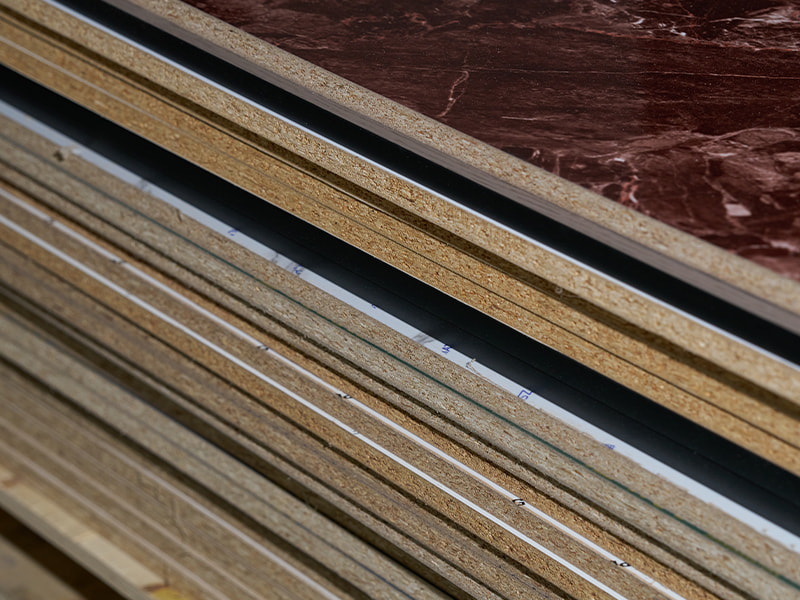
Unlike traditional laminates or paint systems that require multiple processing steps, furniture films are engineered as ready-to-apply surface layers. They are widely used on MDF boards, plywood panels, and PVC-based furniture structures, offering a consistent appearance across mass production environments.
Surface design flexibility reshaping furniture aesthetics
Modern furniture design places strong emphasis on surface identity. Decorative film enables a wide range of finishes that replicate natural and synthetic materials with high visual accuracy.
Common surface styles include:
- Soft matte solid tones used in minimalist interiors
- Natural wood grain textures that mimic oak, walnut, and ash
- High-gloss finishes that create reflective visual depth
- Stone and fabric-inspired printed surfaces for mixed-material aesthetics
These variations allow furniture manufacturers to respond quickly to design trends without changing core production lines. Market analysis shows increasing adoption of PET and PP-based decorative films due to their stable printing quality and ability to support high-resolution surface textures in furniture applications.
Structural composition behind performance stability
Furniture decorative film is not a single-layer material. It is typically built through a multi-layer engineering structure designed to balance durability, flexibility, and visual fidelity.
Typical layers include:
- Protective top coating for scratch and stain resistance
- Printed decorative layer carrying visual design patterns
- Base polymer film providing tensile strength and flexibility
- Functional backing layer compatible with adhesive lamination systems
This layered structure allows the surface to maintain visual consistency even under repeated handling. Advanced coating technologies also help reduce fingerprint visibility and improve wear resistance in high-touch furniture surfaces.
Durability performance in daily furniture use
Furniture surfaces are exposed to constant contact, cleaning, and environmental changes. Decorative film systems are designed to handle these conditions without rapid surface degradation.
Key durability characteristics include:
- Resistance to surface scratching from daily use
- Moisture protection for kitchen and bathroom furniture
- UV stability to reduce fading in sun-exposed areas
- Chemical resistance against mild household cleaners
In PVC and similar polymer-based furniture films, sealed surface layers also help prevent water penetration, reducing risks of swelling or deformation in the underlying board materials .
Manufacturing efficiency and production scalability
Furniture film technology supports high-volume production environments where consistency and speed are essential. Unlike traditional painting or veneering, film lamination processes can be integrated directly into automated production lines.
Operational advantages include:
- Reduced finishing stages compared with spray coatings
- Faster lamination cycles on panel surfaces
- Lower material waste during processing
- Easier pattern replication across large furniture batches
These benefits make decorative film especially attractive for cabinet factories, wardrobe manufacturers, and modular furniture producers who require uniform surface output across thousands of units.
Installation and surface application behavior
Decorative film for furniture is typically applied using heat-assisted lamination or pressure-sensitive adhesive systems. Proper surface preparation plays a critical role in final appearance quality.
Important application factors include:
- Smooth substrate surface without dust or irregularities
- Controlled pressure during lamination to avoid trapped air
- Edge sealing to ensure long-term adhesion stability
- Temperature control for consistent bonding performance
Once applied correctly, the film integrates tightly with the furniture surface, creating a uniform appearance that visually resembles painted or veneered materials while offering improved resistance to everyday wear.
Design integration in modern interior systems
Furniture film is no longer used as an isolated decorative layer. It is increasingly integrated into broader interior design systems that connect furniture, doors, and wall panels under a unified visual theme.
Typical integration scenarios include:
- Kitchen cabinets matching door panel finishes
- Wardrobes coordinated with wall cladding textures
- Office furniture aligned with brand color systems
- Retail fixtures designed for consistent visual identity
This design consistency helps create cohesive interior environments where furniture contributes directly to spatial storytelling rather than acting as separate elements.
Practical limitations in real applications
Despite its advantages, decorative film for furniture has certain limitations that influence material selection decisions.
Key constraints include:
- Reduced scratch resistance compared with solid wood or stone surfaces
- Sensitivity to improper installation conditions such as dust or uneven pressure
- Potential edge wear in extremely high-abrasion environments
- Dependence on substrate quality for long-term stability
These factors mean that material selection must balance aesthetics, cost, and expected usage intensity.
Evolution of furniture surface materials
The rise of decorative film reflects a broader shift in furniture manufacturing toward engineered surface systems. Instead of relying solely on natural materials, manufacturers increasingly use synthetic films to achieve controlled aesthetics and scalable production.
Recent industry developments highlight stronger demand for eco-conscious materials, improved coating technologies, and high-definition printing systems that enhance realism while maintaining production efficiency.
Furniture decorative film does not simply act as a surface cover. It functions as a design tool that allows manufacturers and designers to reshape furniture identity quickly and efficiently. Through a combination of visual adaptability, production scalability, and functional protection, it continues to redefine how modern furniture surfaces are created and experienced.