 English
 Español
Zhongsheng
Zhongsheng
Zhongsheng
Zhongsheng
Zhongsheng
Zhongsheng
Zhongsheng
Zhongsheng
Zhongsheng
Zhongsheng
Zhongsheng
Zhongsheng
Zhongsheng
Zhongsheng
Zhongsheng
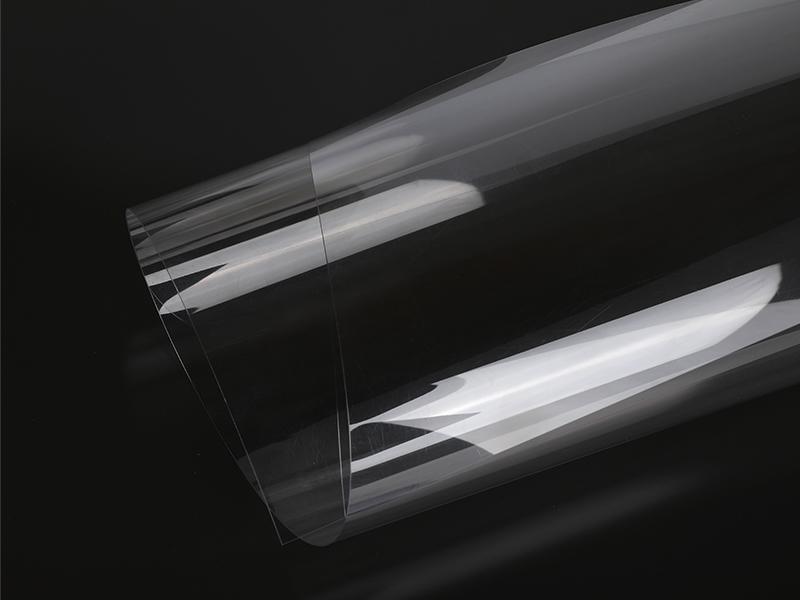
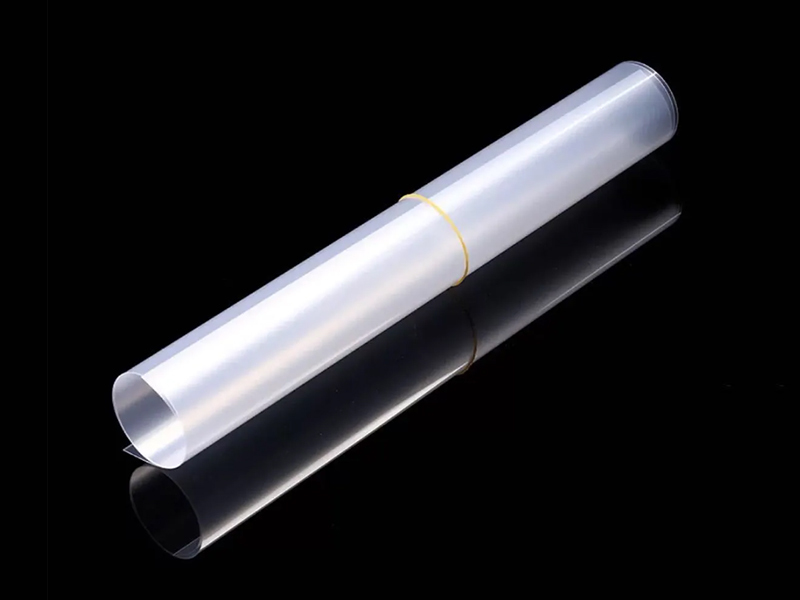
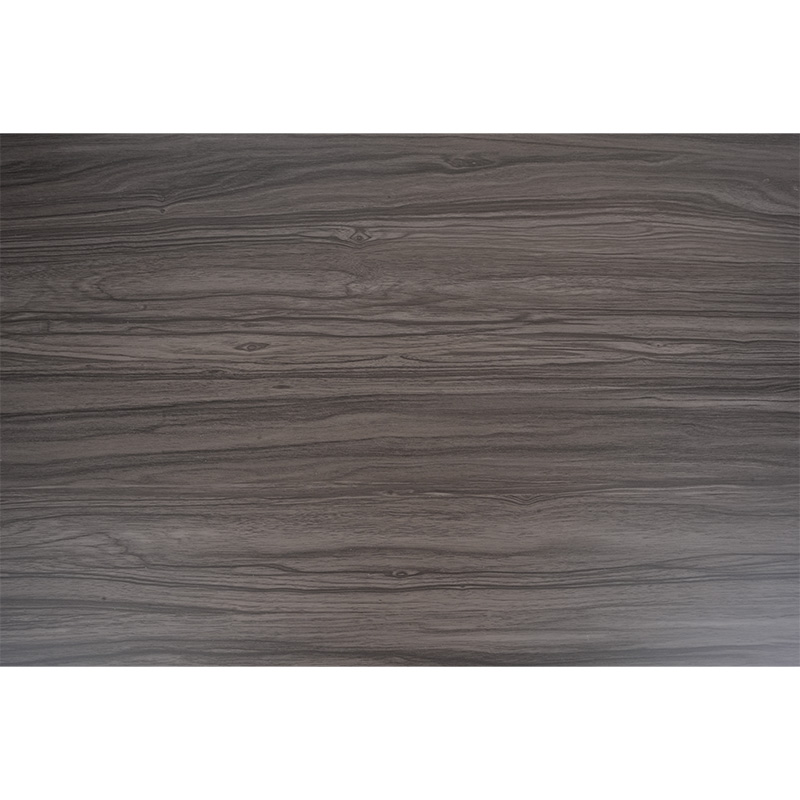
Cabinet film is widely used as a decorative and protective surface layer for kitchen cabinets, wardrobes, bathroom vanities, and other furniture panels. It is typically applied to substrates such as medium-density fiberboard (MDF), particleboard, or plywood. The film may be based on materials such as PET, PVC, PP, or other thermoplastic polymers, depending on performance requirements and cost targets.
Understanding cabinet film requires examining both its manufacturing processes and the operational issues that may arise during production or use. The following discussion presents a structured overview grounded in common industrial practices.
What Are the Processes in the Formation of Cabinet Film?
The formation of cabinet film involves several technical stages, from raw material preparation to final lamination onto panels. Although variations exist depending on material type and factory configuration, the core processes can be grouped into three main stages.
1. Base Film Production and Surface Preparation
The initial stage involves creating the polymer film that will serve as the decorative surface. For thermoplastic cabinet films such as PET or PVC, the typical process includes:
Resin melting and extrusion
Polymer pellets are heated and melted in an extruder. The molten material is then forced through a flat die to form a continuous sheet of controlled thickness.
Calendering or casting
The extruded sheet passes through rollers or casting equipment to achieve uniform thickness and surface smoothness.
Cooling and winding
After shaping, the film is cooled under controlled conditions to maintain dimensional stability and then wound into rolls for further processing.
Surface preparation may include corona treatment or chemical priming to enhance ink adhesion and bonding performance in later stages.
2. Decorative Printing and Surface Treatment
Once the base film is produced, decorative and functional layers are added. This stage determines the visual and tactile characteristics of the cabinet surface.
Key processes include:
Gravure or digital printing
Patterns such as wood grain, stone textures, or solid colors are printed onto the film. Ink layers are applied in multiple passes to achieve color depth and pattern accuracy.
Embossing
The film may pass through engraved rollers to create texture. In some systems, embossing is synchronized with the printed pattern to simulate natural materials.
Top coating or protective layer application
A transparent wear-resistant coating is applied to improve scratch resistance, stain resistance, and cleaning performance. UV curing systems are often used to harden the coating efficiently.
These treatments define the film's resistance to abrasion, chemicals, and daily handling.
3. Lamination and Forming onto Cabinet Panels
The final formation stage involves bonding the decorative film to a rigid substrate. This can be performed through different industrial methods:
Flat lamination
Adhesive-coated film is pressed onto flat boards using heated rollers.
Vacuum membrane pressing
For three-dimensional cabinet doors, the film is heated and stretched over shaped panels under vacuum pressure.
Edge wrapping
Film is applied continuously around edges to create seamless finishes.
Adhesive selection, temperature control, and pressure parameters must be carefully managed to ensure proper bonding without surface defects. Once laminated, panels are trimmed, inspected, and prepared for assembly into finished cabinetry.
What Are the Problems with Cabinet Film?
Although cabinet film is widely used, several technical and performance issues can arise during manufacturing, installation, or long-term use. These challenges are typically related to material properties, environmental conditions, and processing control.
1. Adhesion and Delamination Issues
One of the common concerns is insufficient bonding between the film and the substrate.
Potential causes include:
Inadequate adhesive application or curing
Contaminated board surfaces
Improper temperature or pressure during lamination
Substrate moisture content exceeding recommended limits
If adhesion is weak, the film may lift at corners or edges over time, particularly in high-humidity environments such as kitchens and bathrooms.
2. Surface Deformation and Heat Sensitivity
Thermoplastic films can respond to elevated temperatures. Problems may occur when cabinets are installed near ovens, dishwashers, or direct sunlight.
Common manifestations include:
Surface bubbling due to trapped air or vapor expansion
Warping or shrinkage from uneven thermal exposure
Gloss variation caused by localized overheating
Proper material selection and controlled installation conditions can reduce these risks, but temperature sensitivity remains a technical consideration.
3. Scratch and Wear Performance Limitations
Although protective coatings improve durability, cabinet film surfaces are not immune to mechanical damage.
Observed issues may include:
Micro-scratches from abrasive cleaning tools
Edge wear from repeated handling
Surface dulling over extended use
Performance varies depending on coating thickness and formulation. Lower-cost films may exhibit reduced resistance compared to thicker or specially treated products.
4. Environmental and Aging Concerns
Over time, exposure to light, moisture, and cleaning agents can affect appearance and structural stability.
Typical aging-related issues include:
Color fading due to UV exposure
Yellowing of certain polymer types
Reduced flexibility bring about edge cracking
While many modern films incorporate UV stabilizers and protective coatings, long-term performance depends on environmental conditions and maintenance practices.