 English
 Español
Zhongsheng
Zhongsheng
Zhongsheng
Zhongsheng
Zhongsheng
Zhongsheng
Zhongsheng
Zhongsheng
Zhongsheng
Zhongsheng
Zhongsheng
Zhongsheng
Zhongsheng
Zhongsheng
Zhongsheng
Decorative PVC sheets are widely used in interior finishing, furniture manufacturing, commercial decoration, and renovation projects. PVC, or polyvinyl chloride, is a thermoplastic polymer that can be modified with plasticizers, stabilizers, pigments, and fillers to achieve different mechanical and aesthetic properties. When processed into sheets for decorative purposes, PVC offers a combination of surface versatility, moisture resistance, and manufacturing efficiency.
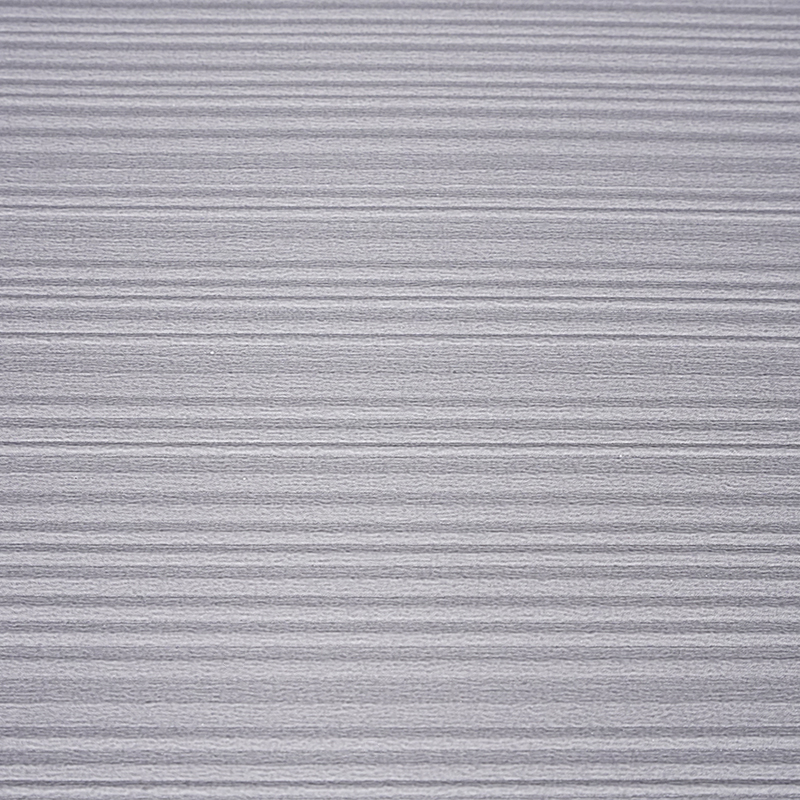
This article examines three core aspects: the main types of decorative PVC sheets available in the market, the practical reasons they are often selected for projects, and the design characteristics that define their visual and functional performance.
What Types of Decorative PVC Sheets Are There?
Decorative PVC sheets can be categorized according to structure, surface treatment, flexibility, and application method. Although naming conventions may vary by manufacturer, the following classifications are commonly recognized.
1. Rigid PVC Decorative Sheets
Rigid PVC sheets are manufactured with minimal or no plasticizer content, resulting in higher dimensional stability and structural strength. These sheets are typically used for:
Wall cladding panels
Cabinet surface panels
Furniture boards
Partition systems
Rigid sheets can be laminated, printed, or embossed to achieve decorative effects. They are commonly bonded to substrates such as plywood or MDF for added strength.
2. Flexible PVC Decorative Sheets
Flexible PVC sheets contain plasticizers that increase elasticity and allow bending without cracking. These sheets are often used in:
Surface wrapping applications
Edge banding systems
Curved furniture components
Interior decorative overlays
Their flexibility makes them suitable for vacuum pressing and thermoforming processes.
3. Laminated PVC Sheets
Laminated PVC sheets consist of multiple layers, including:
A base PVC layer
A printed decorative film
A transparent protective coating
This structure enhances scratch resistance and improves visual depth. Laminated sheets are widely used in kitchens, wardrobes, and commercial interiors where surface durability is required.
4. Foamed PVC Sheets
Foamed PVC sheets contain a cellular core structure created during extrusion. This reduces density while maintaining rigidity. These sheets are typically applied in:
Interior wall panels
Exhibition displays
Lightweight decorative boards
Foamed sheets offer ease of handling and reduced weight compared to solid PVC boards.
Why Are Decorative PVC Sheets Worth Buying?
The decision to use decorative PVC sheets is generally based on technical, economic, and maintenance considerations. The following subsections explain the main value factors.
Moisture Resistance and Practical Durability
One of the main reasons decorative PVC sheets are selected is their resistance to moisture.
PVC material:
Does not absorb water in the same way as natural wood
Resists swelling under humid conditions
Maintains dimensional stability in kitchens and bathrooms
This makes PVC sheets suitable for environments where traditional wood-based materials may require additional sealing or treatment.
Cost Efficiency in Installation and Maintenance
From a project management perspective, decorative PVC sheets can help control overall cost.
Key factors include:
Simplified installation processes
Reduced need for surface painting
Lower labor requirements compared to ceramic tile or stone installation
Limited need for regular repainting or refinishing
Because many PVC sheets are delivered with finished surfaces, installation often involves direct mounting rather than multi-stage finishing.
Ease of Cleaning and Hygiene Management
PVC surfaces are generally non-porous and smooth. This characteristic provides practical benefits:
Surface dirt can be removed with standard cleaning agents
Stains are less likely to penetrate the surface
The material supports hygiene requirements in residential and commercial interiors
In environments such as clinics, food service areas, or high-traffic commercial spaces, ease of cleaning is a relevant selection factor.
Processing Compatibility
Decorative PVC sheets are compatible with various fabrication techniques:
Cutting and routing with common woodworking tools
Heat bending for shaped components
Adhesive bonding to multiple substrates
CNC machining for detailed panel work
This flexibility supports both small-scale carpentry operations and large industrial production lines.
What Are the Design Features of Decorative PVC Sheets?
Decorative PVC sheets are developed to simulate or complement a wide range of interior styles. Their design features extend beyond simple color variation.
Surface Texture and Embossing
Manufacturers use embossing rollers or textured molds to create surface effects such as:
Wood grain patterns
Stone-like finishes
Leather textures
Brushed or matte surfaces
Embossing depth can vary depending on product thickness and intended application. Some sheets use synchronized embossing to align texture with printed patterns, increasing visual realism.
Color and Pattern Variety
Decorative PVC sheets can be produced in:
Solid colors
Marble-inspired designs
Wood imitation patterns
Metallic finishes
Abstract or geometric prints
Color consistency is achieved through controlled pigment blending and printing processes. Digital printing technology allows shorter production cycles for customized designs.
Gloss Level Control
Surface gloss is an important visual parameter. Decorative PVC sheets are available in:
High-gloss finishes for reflective modern interiors
Matte finishes for softer lighting environments
Semi-gloss surfaces for balanced visual performance
Gloss level is determined by both the surface coating and embossing structure.
Protective Coatings and Functional Layers
Many decorative PVC sheets include additional layers to enhance performance:
UV-resistant coatings to reduce fading
Scratch-resistant top layers
Anti-stain surface treatments
Anti-bacterial additives in specific product lines
These functional modifications are integrated during manufacturing rather than applied after installation.